“Roti, Kapda, aur Makaan”: from 1960s to the present (Pakistan, India, and their US Diaspora)
By Maheen Masood
Project Background:
I’ve looked into events and objects that feature the phrase and how it has been used to play different parts and different kind of situations and their effect on the population in both India and Pakistan.
Politics


The term had been used casually in conversations across Pakistan and India and then it was in the 1960s and the 70s when it gained popularity once it started to be associated with the main political parties at the time, Indian National Congress in India and the Pakistan People’s Party in Pakistan in the 1960s.
Indira Gandhi first used the face as a political slogan ahead of her elections in the 1966 and 67. And then Zulfikar Ali Bhutto adopted it as a political slogan ahead of as part of his party politics under the People’s Party. Slogan was used extensively on banners and posters and it was used in election release and it was kind of a representation of their election manifestos and was used as a bait to gain votes from the public. And with the election campaigns in small districts and with the election rallies, it it gained immense popularity among the public, which could see it as an association with the main political parties at the time.
The fact that the slogan is still associated with Pakistan People’s Party in Pakistan today that is headed by the grandstand of Zakat Ali Bhutto Bhutto Zardari and it gives a kind of association for the public to the political party.
Media

With its popularity in the politics, the media industry soon took advantage of the situation and featured some movies, songs and video talk shows that were titled by the slogan, by the phrase and kind of took advantage of the political situation.
In 1974, when Indira Gandhi was in leadership in India and under the Indian National Congress, a movie named Roti Kaprahmakan was released and it was a blockbuster and the highest grossing film of the of the year.
In 2013, a Pakistani rap song was released on SoundCloud that was also titled Roti Kaprahmakan. Link to song? Then in California is aired in California that gives a perspective into financial literacy with the movie and the song.
The movie and the song could be seen as a counter to the promises of the two main political parties of the time and was a kind of political representation and actual representation of the country from the perspective of media from the time.
When used in the media industry, it offers a kind of political perspective into the situation when talking about different issues of the country like unemployment, inflation, rising corruption or even loans. It was kind of a counter to the promises of the political parties and was a public perspective of what the of what the situation in countries actually look like, what versus what the political parties of the time had promised.
Industry
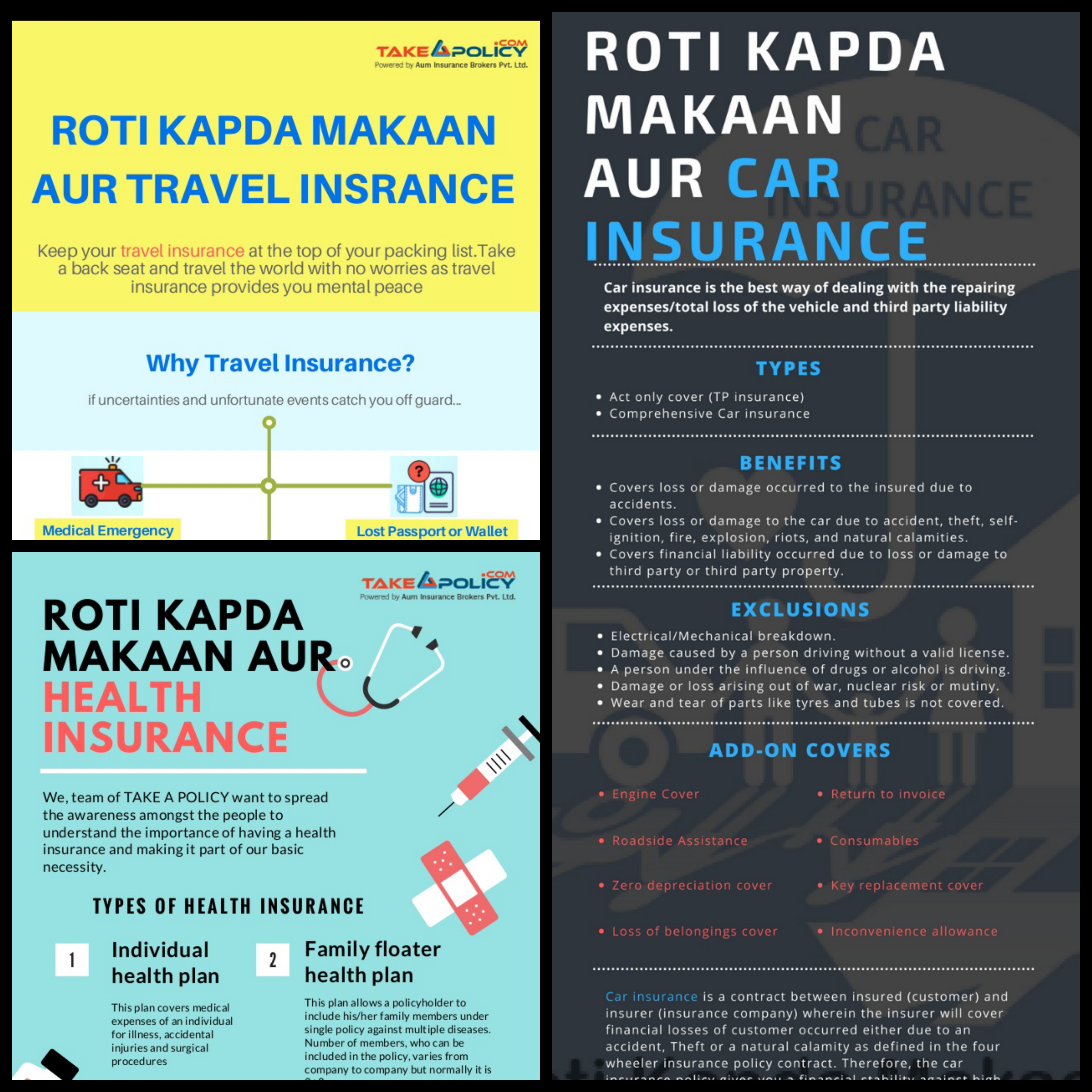
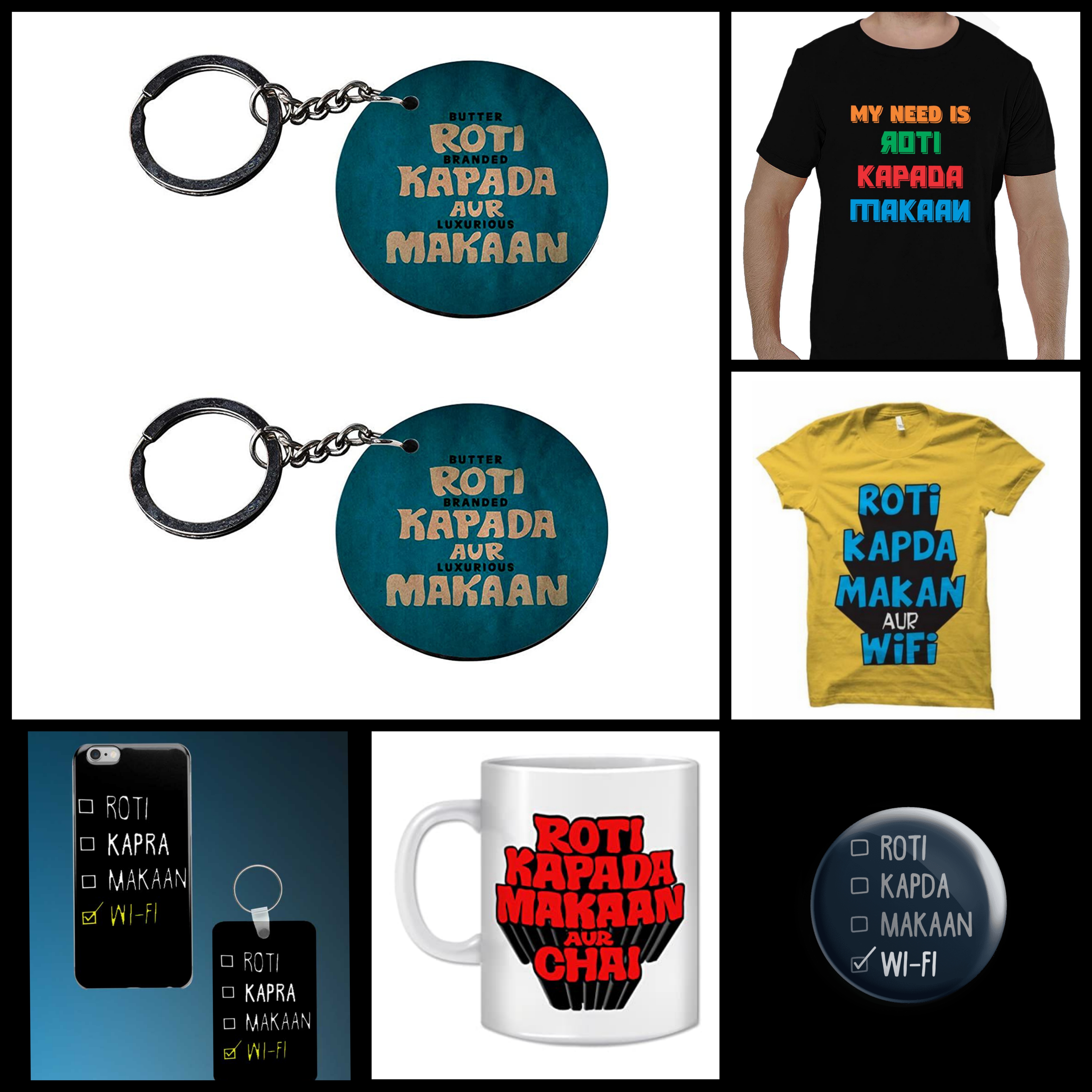
It had been really popular among the public and was used massively among the people who took advantage of its popularity and use it as a marketing tactic in sense of insurance companies and online merchandise. In India, many insurance companies used the phrase as their tagline with addition of their own insurance policies in order it as a marketing campaign based on it’s using it to advance their own cause. In India and Pakistan both, a lot of online sites are selling merchandise that features the phrase with modern editions like Wi-Fi or even Chai that has taken many forms like key chains and phone cases and cups and T-shirts. Which kind of is shows, shows an association to that, to those events and moments. And also like Cashes on the popularity of the phrase actually with its use in different medium, the different it was used in politics.
So the insurance companies could be seen as targeting the older population that had been through the times of the PPP and the Indian National Congress and they could see an association with it. While this online merchandise is a kind of insight, is a kind of association with both these events and also a kind of popularity tactic for these sites.
About Nandani
- Hamilton College ’23
- Major:
- What is he doing now:
- Why did he choose this topic?

FAQs
What is your process working in smaller projects?
Études offers comprehensive consulting, management, design, and research solutions. Our vision is to be at the forefront of architectural innovation, fostering a global community of architects and enthusiasts united by a passion for creating spaces. Every architectural endeavor is an opportunity to shape the future.
Who is behind Études?
Études offers comprehensive consulting, management, design, and research solutions. Our vision is to be at the forefront of architectural innovation, fostering a global community of architects and enthusiasts united by a passion for creating spaces. Every architectural endeavor is an opportunity to shape the future.
I’d like to get to meet fellow architects, how can I do that?
Études offers comprehensive consulting, management, design, and research solutions. Our vision is to be at the forefront of architectural innovation, fostering a global community of architects and enthusiasts united by a passion for creating spaces. Every architectural endeavor is an opportunity to shape the future.
Can I apply to be a part of the team or work as a contractor?
Études offers comprehensive consulting, management, design, and research solutions. Our vision is to be at the forefront of architectural innovation, fostering a global community of architects and enthusiasts united by a passion for creating spaces. Every architectural endeavor is an opportunity to shape the future.
 The Roti Collective